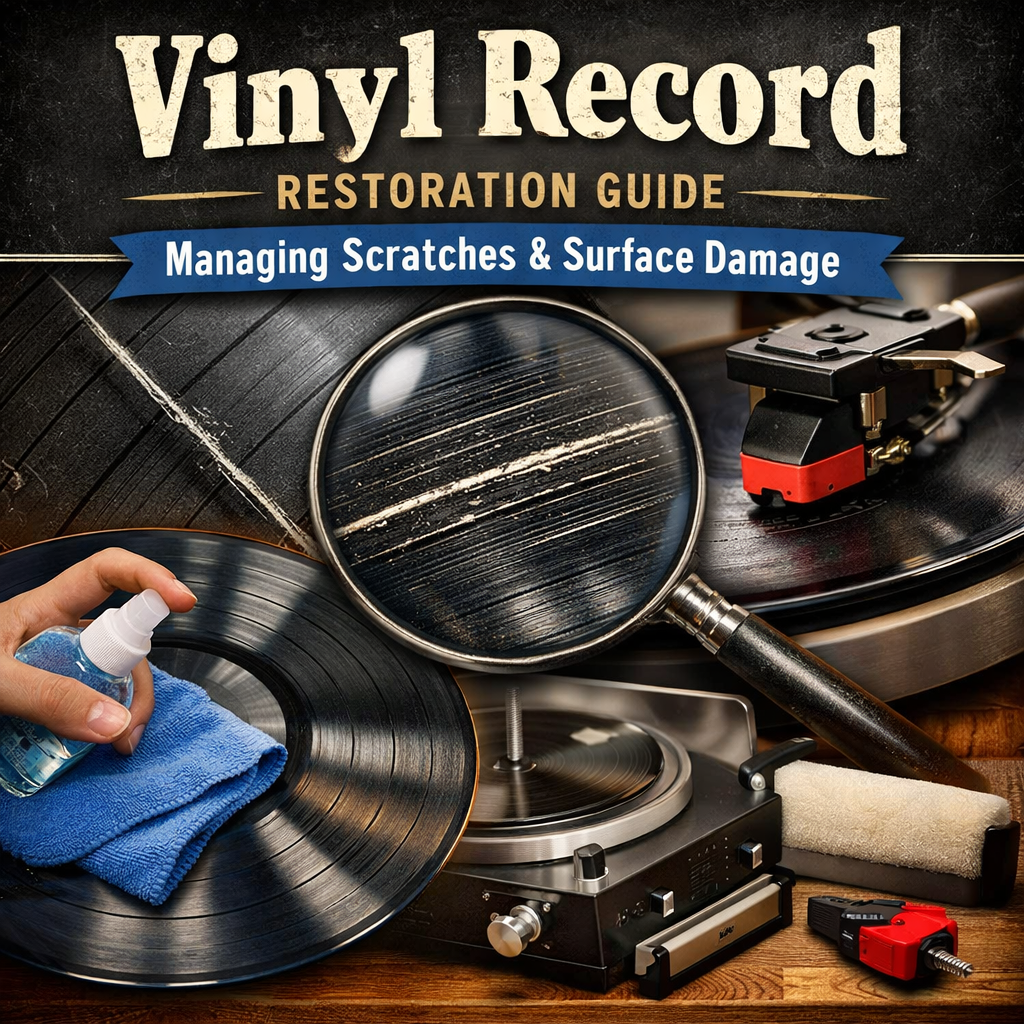
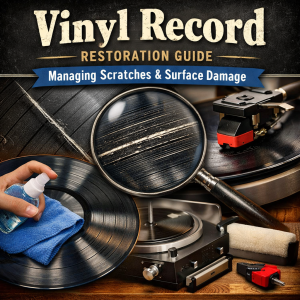
Vinyl Record Restoration Guide: Managing Scratches and Surface Damage
Scratches and surface noise don’t always mean a record is ruined. Explore safe DIY cleaning and restoration techniques to improve playback and extend the life of your vinyl collection.
Vinyl records are delicate. While minor surface marks are common, deeper scratches and groove damage can affect sound quality. Proper restoration focuses on cleaning, minimizing noise, and preventing further damage rather than attempting aggressive repair that may worsen the record.
Understanding the type of damage determines whether restoration is possible.
1️⃣ Surface Scuffs
Light hairline marks
Usually cosmetic
Often caused by paper sleeves
Typically do not affect playback significantly
2️⃣ Groove Scratches
Deeper lines you can feel with a fingernail
May cause pops, clicks, or skips
Harder to repair permanently
3️⃣ Embedded Dirt & Debris
Dust pressed into grooves
Causes crackling and surface noise
Often mistaken for scratches
4️⃣ Warping
Heat-related deformation
Affects tracking stability
Not technically a scratch but impacts playback
Many “scratches” are actually dirt lodged in grooves. Always clean first.
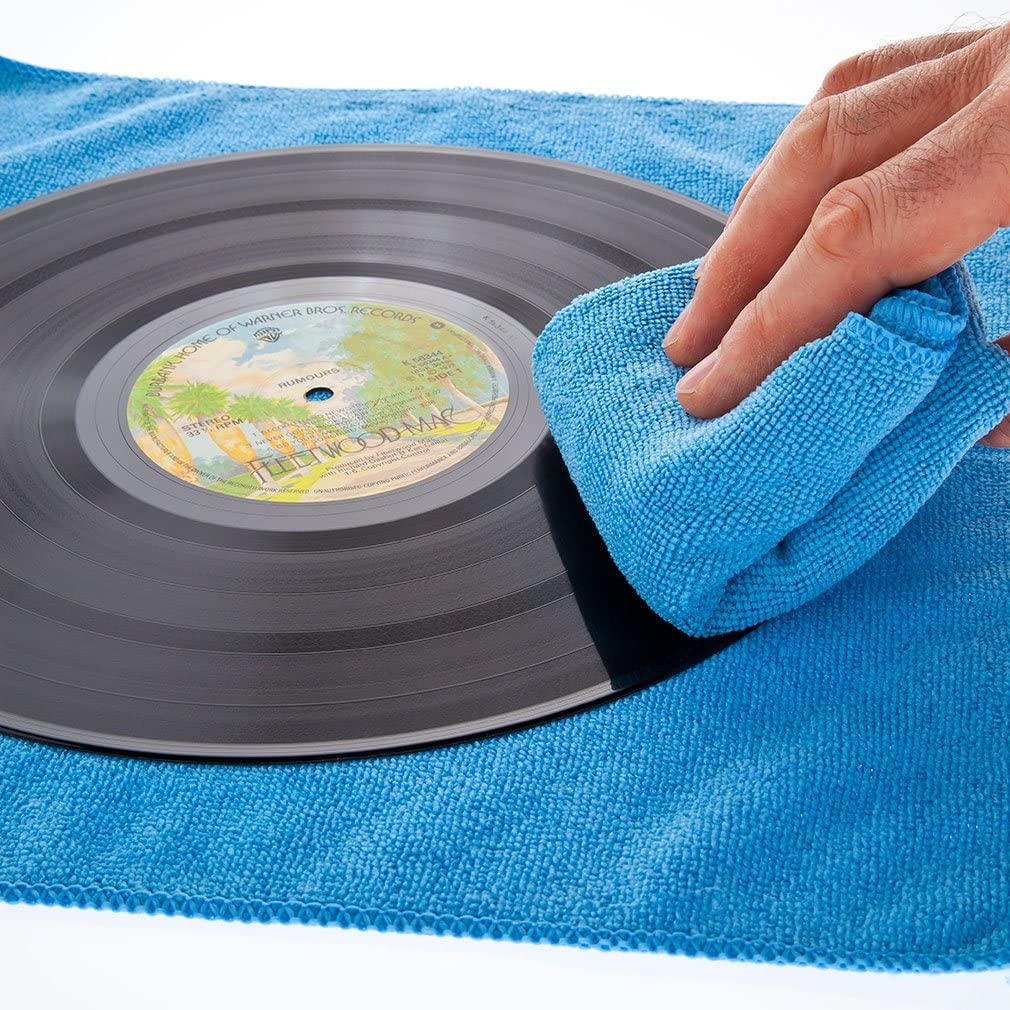
Manual Cleaning Method
Use distilled water
Add a few drops of record-safe cleaning solution
Gently wipe with a microfiber cloth in circular motion (follow grooves)
Air dry vertically
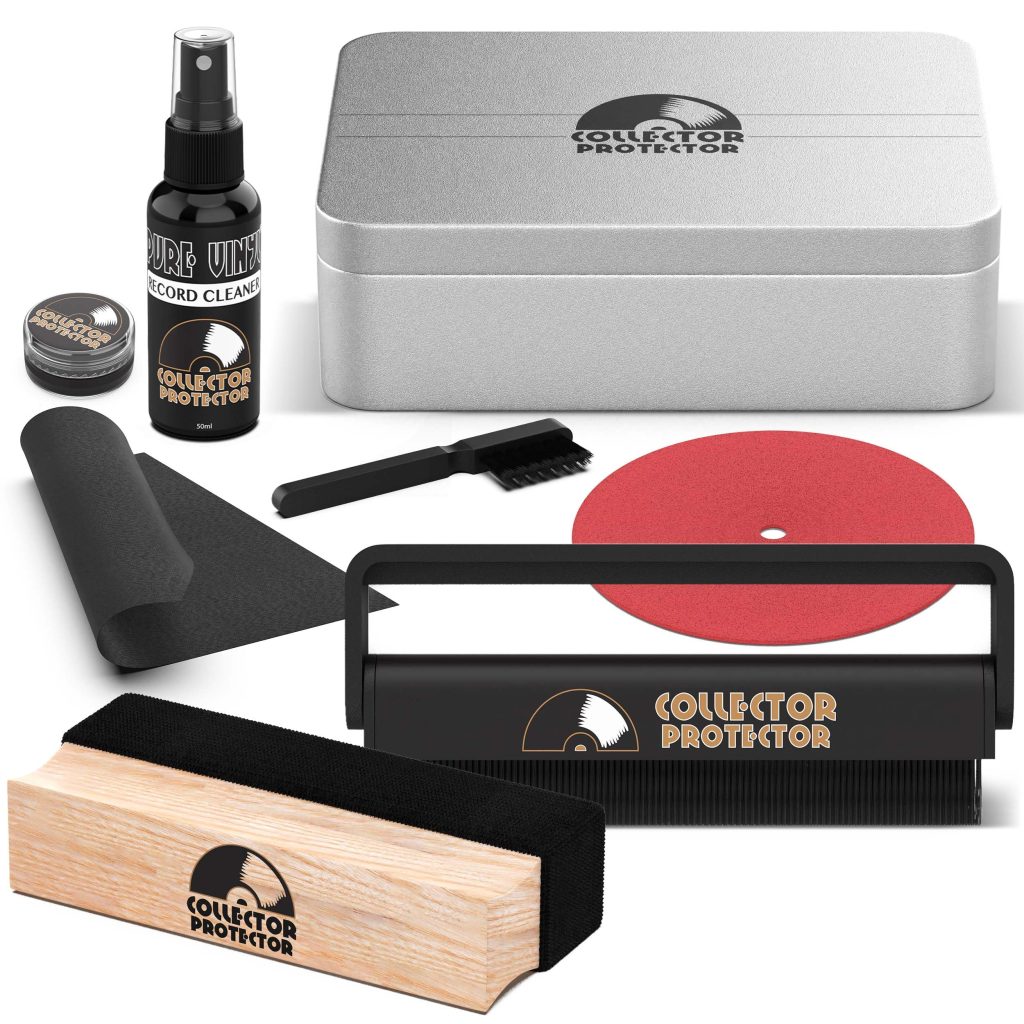
Anti-Static Brush
Removes loose debris before and after playback.
Proper cleaning alone can eliminate a large percentage of playback noise.
Managing Minor Surface Scratches
Minor scratches cannot truly be “removed,” but their impact can sometimes be reduced.
Methods:
Thorough wet cleaning
Using a stylus with a line-contact profile (tracks deeper in groove)
Slight tracking force adjustment within manufacturer limits
Cartridges from brands such as Audio-Technica and Ortofon offer advanced stylus profiles that may bypass minor surface wear.
⚠️ Dealing with Deeper Scratches
If a record skips due to a scratch:
Stabilization Method
Inspect the groove under bright light
Remove visible debris carefully with a wooden toothpick (very gently)
Clean again before playback
Important: Deep groove damage cannot be reversed. Restoration focuses on minimizing audible impact, not rebuilding vinyl.
🎚 Playback Adjustments to Reduce Noise
Proper turntable setup can improve playback of damaged records:
Verify tracking force is correctly set
Ensure anti-skate matches tracking force
Confirm cartridge alignment
Use a clean, unworn stylus
A worn stylus can exaggerate scratch noise.
🔍 What Not to Do
Avoid these risky methods:
Sandpaper or abrasive materials
Household glass cleaners
Toothpaste polishing
Glue-peel methods (unless professionally done)
Excessive pressure while cleaning
Improper methods often cause irreversible groove damage.
🌡 Environmental Factors
Heat, humidity, and storage conditions influence vinyl condition:
Store vertically
Keep away from direct sunlight
Maintain stable room temperature
Use anti-static inner sleeves
Preventative care reduces future surface damage.
🎧 When Restoration Isn’t Possible
If a record:
Skips consistently at the same point
Has deep gouges across multiple grooves
Produces severe distortion
The damage is likely permanent. In such cases, replacement or digital restoration may be the only solution.
🛡 Preventing Future Damage
Clean records before and after playback
Replace worn stylus regularly
Handle records by edges only
Use high-quality inner sleeves
Keep dust cover closed during playback
Preventative maintenance is far more effective than repair.