Everything You Need to Know About Replacing a Record Player Needle

Replacing your record player needle is essential for maintaining sound quality and preventing record damage. This guide covers stylus types, lifespan, compatibility, and proper installation to keep your turntable performing at its best.

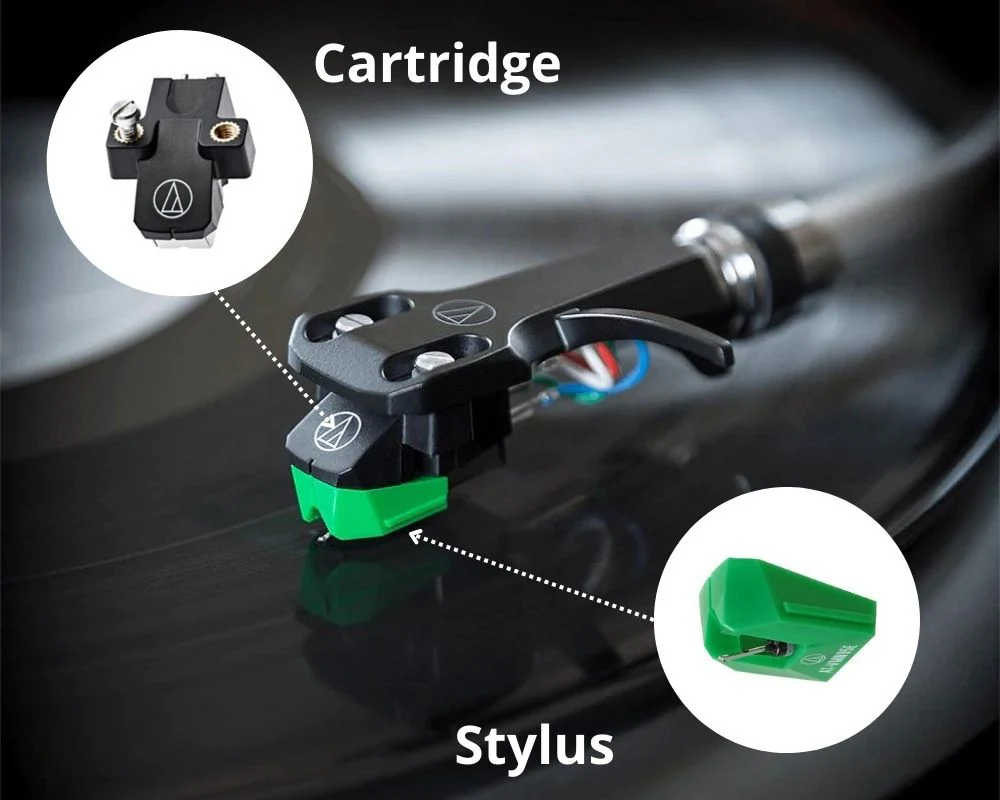
The record player needle, also known as a stylus, is the small but crucial component that sits at the end of the cartridge. It tracks the grooves of your vinyl record and converts vibrations into sound.

Most modern styli are made from:

  • 💎 Diamond (most common and durable)
  • Sapphire (less durable, budget option)

Without a properly functioning stylus, your records can sound distorted — and worse, get permanently damaged.

How Often Should You Replace Your Stylus?

Replacement depends on usage and stylus type:

  • Diamond stylus: Every 800–1,000 hours of play
  • Sapphire stylus: Every 200–300 hours
  • Heavy use (daily playing) may require earlier replacement

Signs It’s Time to Replace:

  • Skipping or jumping tracks
  • Distorted or fuzzy sound
  • Excessive surface noise
  • Visible bending or wear
  • Records sounding dull or flat

If ignored, a worn stylus can permanently damage your vinyl collection.

Tools You May Need

  • Replacement stylus compatible with your cartridge
  • Small screwdriver (if required)
  • Stylus brush (optional but recommended)
  • User manual of your turntable

How to Identify Your Cartridge Model

Before buying a replacement stylus, you must know your cartridge model.

Where to Look:

  • Printed on the front or side of the cartridge
  • In your turntable’s manual
  • On the manufacturer’s website

⚠️ Important: The stylus must match the cartridge — not just the turntable brand.

For example:

  • An Audio-Technica AT-VM95 cartridge needs a VM95-series stylus.
  • An Ortofon 2M Red cartridge needs a 2M-series stylus.

Tracking Force

This is how much weight presses the stylus into the record groove.

Too light:

  • Skipping
  • Weak bass
  • Distortion

Too heavy:

  • Record damage
  • Faster stylus wear

Most cartridges track between 1.5g – 2.5g.

🎛 Anti-Skate

Prevents the tonearm from pulling inward.
It should usually match your tracking force setting.

If you’re unsure, refer to your cartridge specs.

Signs of Stylus Wear (Technical Details)

Beyond audible distortion, microscopic wear occurs at the contact edges of the stylus tip. As the diamond flattens:

  • Contact area increases
  • Groove pressure distribution changes
  • High-frequency detail reduces
  • Inner groove distortion becomes noticeable

Advanced wear can cause permanent groove deformation.


Compatibility: MM vs MC Cartridges

Most consumer turntables use Moving Magnet (MM) cartridges. These typically allow easy stylus replacement.

Moving Coil (MC) cartridges often do not have user-replaceable styli. In these cases:

  • The entire cartridge must be replaced
  • Or professionally retipped

Brands like Audio-Technica and Ortofon manufacture both MM and MC models.

Always confirm cartridge type before purchasing a replacement.


Tracking Force Specifications

Each cartridge has a recommended tracking force range, typically printed in grams (g).

Example ranges:

  • 1.8g – 2.2g (common MM range)
  • 2.0g – 2.5g (some DJ cartridges)

Tracking too light:

  • Causes mistracking
  • Increases stylus bounce
  • Produces sibilance distortion

Tracking too heavy:

  • Accelerates stylus wear
  • Compresses record grooves

Precise adjustment using a stylus force gauge improves accuracy.


Stylus Alignment and Geometry

Proper alignment ensures the stylus sits correctly in the groove.

Key factors include:

  • Overhang
  • Azimuth
  • Vertical Tracking Angle (VTA)
  • Zenith alignment

Misalignment leads to:

  • Channel imbalance
  • Increased distortion
  • Uneven stylus wear

Cartridge alignment protractors are used for precise setup.


Record Condition and Stylus Wear

Dust, debris, and groove contamination act like abrasive particles. Playing dirty records:

  • Accelerates diamond wear
  • Causes noise and crackle
  • Increases friction heat at the groove contact point

Wet cleaning systems or anti-static brushes reduce contamination.
Big Black Cow Records Where Every Record Tells a Story!

Sign up now and get 10% off your first order with an instant coupon code!

We guarantee 100% privacy. Your information will not shared.